Discover how sinkholes are formed, what causes them, & the warning signs to watch for. Learn from experts how to prevent & manage sinkhole risks safely.

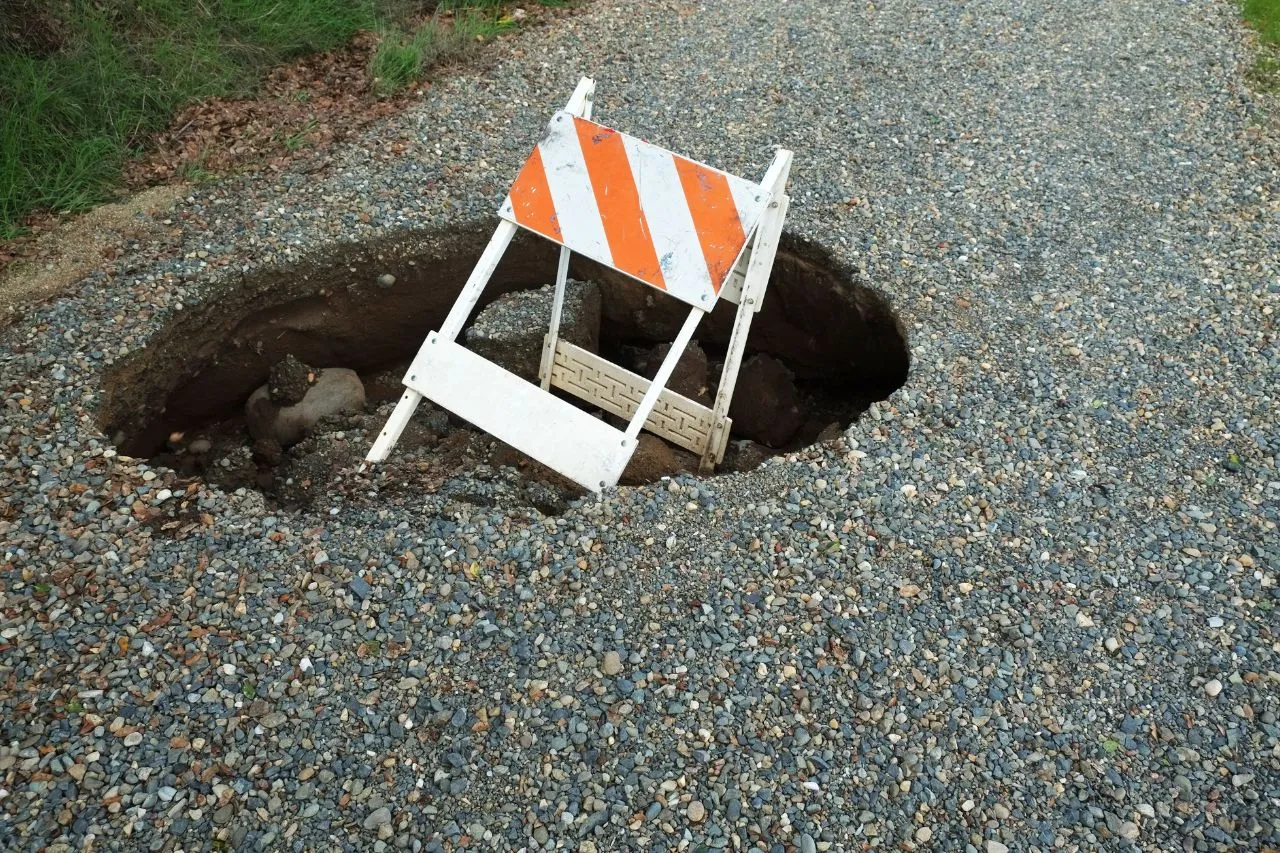
Sinkholes are powerful reminders of the forces shaping our planet beneath the surface. These sudden depressions or holes in the ground can appear without warning, swallowing roads, cars, and buildings. Understanding how a sinkhole forms starts with exploring what happens underground long before the ground gives way.
A sinkhole is a cavity or depression in the Earth’s surface caused by the collapse of an underground support structure. They occur when the ground beneath loses stability, often due to water erosion or the dissolving of soft rock like limestone, gypsum, or salt beds. Some sinkholes develop gradually, while others form suddenly and violently.
The process of sinkhole formation begins with erosion and chemical weathering. These natural processes weaken the subsurface layers over time. Here is a simplified explanation:
Understanding the different types of sinkholes helps identify how and where they can form. There are three main categories:
Several factors contribute to sinkhole formation. While natural geological processes are key, human activities often accelerate their development.
Certain regions are naturally more susceptible to sinkhole formation. These are known as karst landscapes, defined by soluble bedrock and underground drainage systems.
Prominent sinkhole-prone areas include:
These places have abundant limestone and experience seasonal rainfall, making them ideal conditions for sinkhole development.
While some sinkholes appear suddenly, there are often warning signals that one may be forming:
If these signs become visible, immediate inspection by a geological expert or engineer is essential.
Water is the leading force behind sinkholes. Its movement through soil and rock sets off the chain reaction that causes a collapse. Both natural and human-made water sources influence sinkhole development:
Some sinkholes have made global headlines due to their size or sudden appearance:
These examples highlight how geological, climatic, and human factors combine to cause catastrophic ground failures.
While natural sinkholes cannot be fully prevented, there are methods to reduce risk in vulnerable areas:
Sinkholes cause more than just structural damage; they also alter landscapes and ecosystems. When a sinkhole forms, it can divert groundwater flow, contaminate aquifers, or disrupt transportation routes. The long-term impact depends on location, size, and how quickly remediation is performed.
Repairing a sinkhole involves several complex steps depending on its size and cause.
Modern technology helps geologists predict and monitor sinkholes before they fail dramatically. Ground-penetrating radar, LiDAR, and 3D mapping reveal underground cavities long before collapse occurs. These innovations are vital for urban planning and preventing disasters in sinkhole-prone zones.
Residents in vulnerable regions can take practical steps to protect themselves and their property:
Awareness and timely action are the best defenses against sinkhole damage.
Sinkholes remind us that the planet’s surface is constantly changing. By understanding how sinkholes form and recognizing their early signs, individuals and communities can take meaningful steps toward prevention and safety.
What causes a sinkhole to form? Sinkholes form when water dissolves rock beneath the surface, creating a void that eventually collapses. Human activities such as drilling and water leaks can worsen this natural process.
Can sinkholes be predicted? While predicting the exact time and location is difficult, experts use ground-penetrating radar and geological surveys to detect underground voids before they collapse.
Are sinkholes dangerous? Yes. Depending on their size, sinkholes can destroy property, contaminate groundwater, and cause injuries or fatalities if a collapse happens suddenly.
Our service area includes:
Contact our experts now for 24/7 emergency response and insurance claim support.