Learn how to stay safe from tornadoes in Evanston, IL with proven preparation, shelter, and recovery tips from Classic Disaster's expert team.

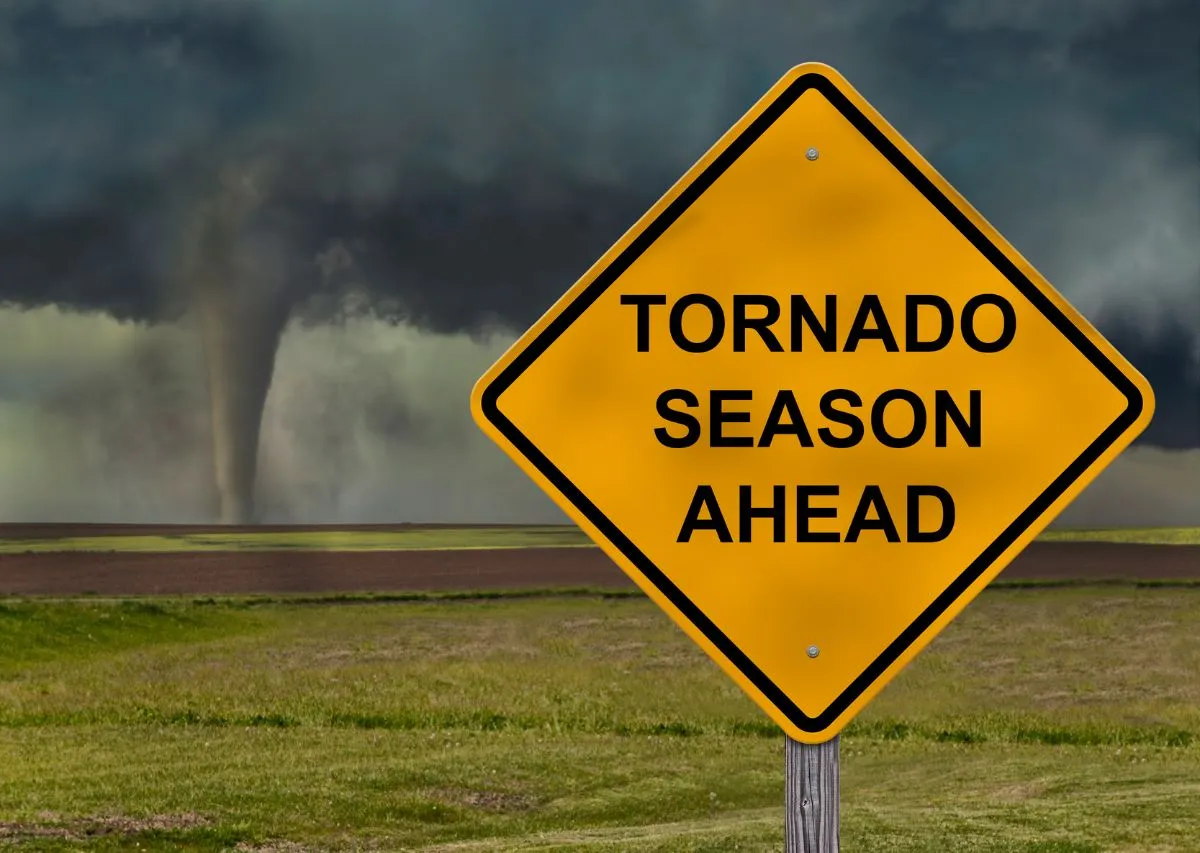
Tornadoes are among nature's most violent and unpredictable storms, capable of causing devastating damage in seconds. While Illinois experiences an average of 54 tornadoes per year, with peak activity between April and June, tornadoes can strike at any time throughout the year. For residents of Evanston and the North Shore, understanding how to stay safe from tornadoes requires careful preparation, quick decision making during the storm, and cautious recovery afterward. This comprehensive guide provides expert tornado safety strategies and explains how Classic Disaster supports families and businesses in the aftermath of severe weather events.
Illinois is located in a region vulnerable to severe weather systems that generate tornadoes. The state has experienced some of the nation's deadliest tornadoes, including the infamous Tri-State tornado of 1925 that resulted in 695 deaths. While tornadoes can occur any month, nearly 64 percent happen between April and June, with many forming during late afternoon and early evening hours between 3 p.m. and 7 p.m.
Recent years have shown increased tornado activity, with Illinois recording 121 tornadoes in 2023 and surpassing yearly averages again in 2025. This uptick emphasizes the importance of year-round preparedness for Evanston residents.
Sometimes tornadoes develop quickly without sufficient warning time. Watch for these signs that a tornado may be approaching
If you observe any of these warning signs, seek shelter immediately, even if no official warning has been issued.
Advance planning dramatically improves your chances of staying safe when a tornado threatens. A written plan ensures everyone in your household knows exactly what to do during an emergency.t
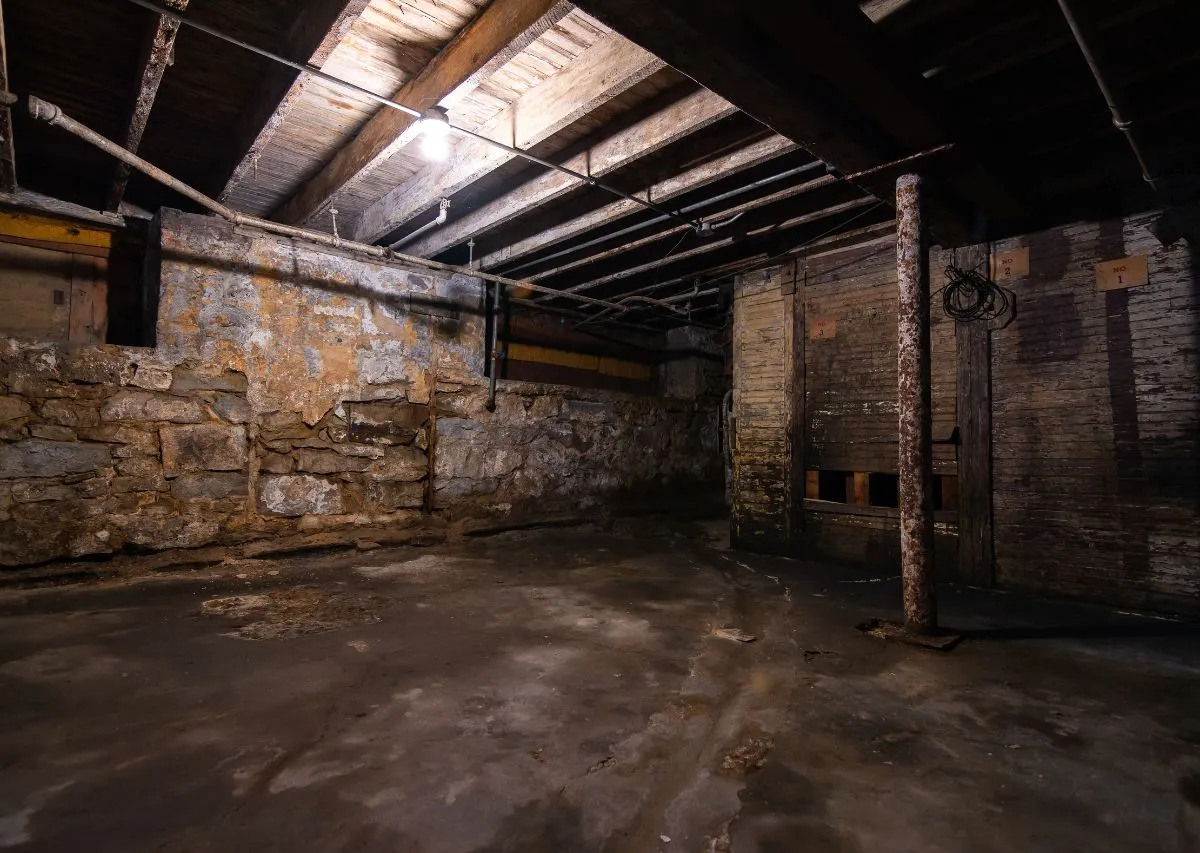
Designate specific shelter areas in advance. The safest places during a tornado are
For added protection, get under sturdy furniture like a heavy table or workbench. Cover your body with blankets, sleeping bags, or mattresses to shield against flying debris.
Create a system to stay in contact with family members who may be at different locations when a tornado strikes. Designate an out-of-state relative or friend as a central contact point. Share this emergency contact information with all family members, schools, and daycare providers.
Conduct tornado drills at least once per year so everyone knows how to react quickly. Time how long it takes family members to reach the shelter area and make adjustments to improve response time.
Every household should maintain a well-stocked emergency kit that can sustain family members for at least three days.
Your tornado survival kit should include
Store copies of critical documents in waterproof containers
Keep these items in your designated shelter area or in an easily accessible location so you can grab them quickly.
Monitoring weather conditions allows you to take action before a tornado strikes.
Understand the difference between watches and warnings
Stay updated through multiple channels
Keep your phone charged and have backup battery chargers available, especially when severe weather is forecast.
When a tornado warning is issued or you see signs of an approaching tornado, every second counts. Move quickly to your designated shelter location.
At Home
Go immediately to your basement or lowest interior room without windows. Get under sturdy furniture and cover yourself with blankets or mattresses. Protect your head and neck with your arms.In a Mobile Home
Do not stay in a mobile home during a tornado. Mobile homes cannot withstand tornado winds, even with tie-down systems. Go to a nearby permanent building with a basement if possible. If no shelter is available, lie flat in the nearest ditch or low-lying area and shield your head with your hands.
At Work or School
Follow your tornado drill procedures. Move quickly to designated shelter areas on the lowest level. Stay away from windows and avoid large open spaces like gymnasiums, cafeterias, or auditoriums.
In a Vehicle
Never try to outrun a tornado in a vehicle. Tornadoes can change direction quickly and easily toss cars through the air. Drive to the nearest sturdy building if you can reach it safely. If there is no time, exit the vehicle and lie flat in a ditch or low area, protecting your head with your arms. Stay away from highway overpasses and bridges.
Outdoors
If caught outside with no shelter available, lie flat in the lowest area you can find, such as a ditch or ravine. Protect your head and neck with your arms. Stay away from trees that could become flying debris.
In Large Buildings
Malls, theaters, and gyms with wide-span roofs are particularly dangerous because they can collapse. Get to the lowest level and stay away from windows. If unable to reach a lower level, get under door frames or against heavy shelving that can deflect falling debris.
Once the tornado has passed, sustained caution is essential for ongoing safety.
Storm cleanup presents numerous hazards that require careful attention
Avoid making phone calls unless absolutely necessary so emergency lines remain available for critical community needs.
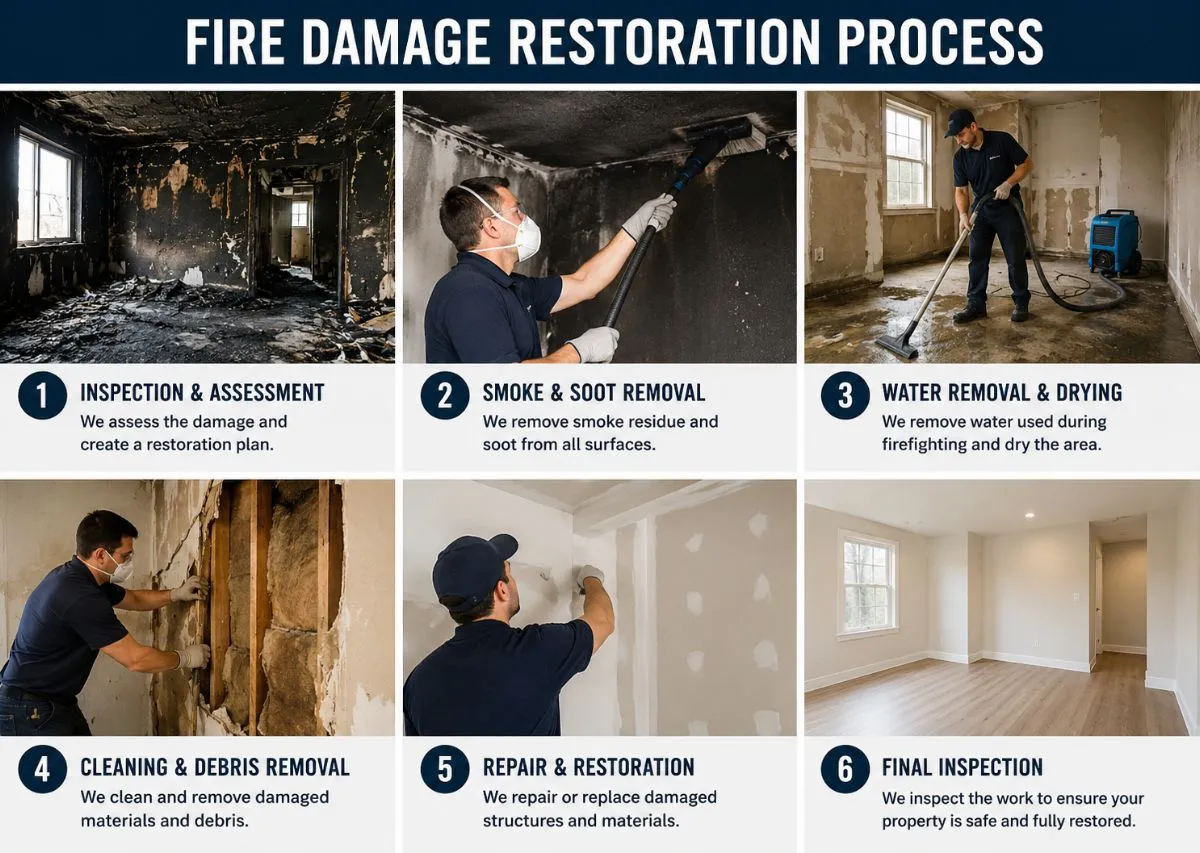
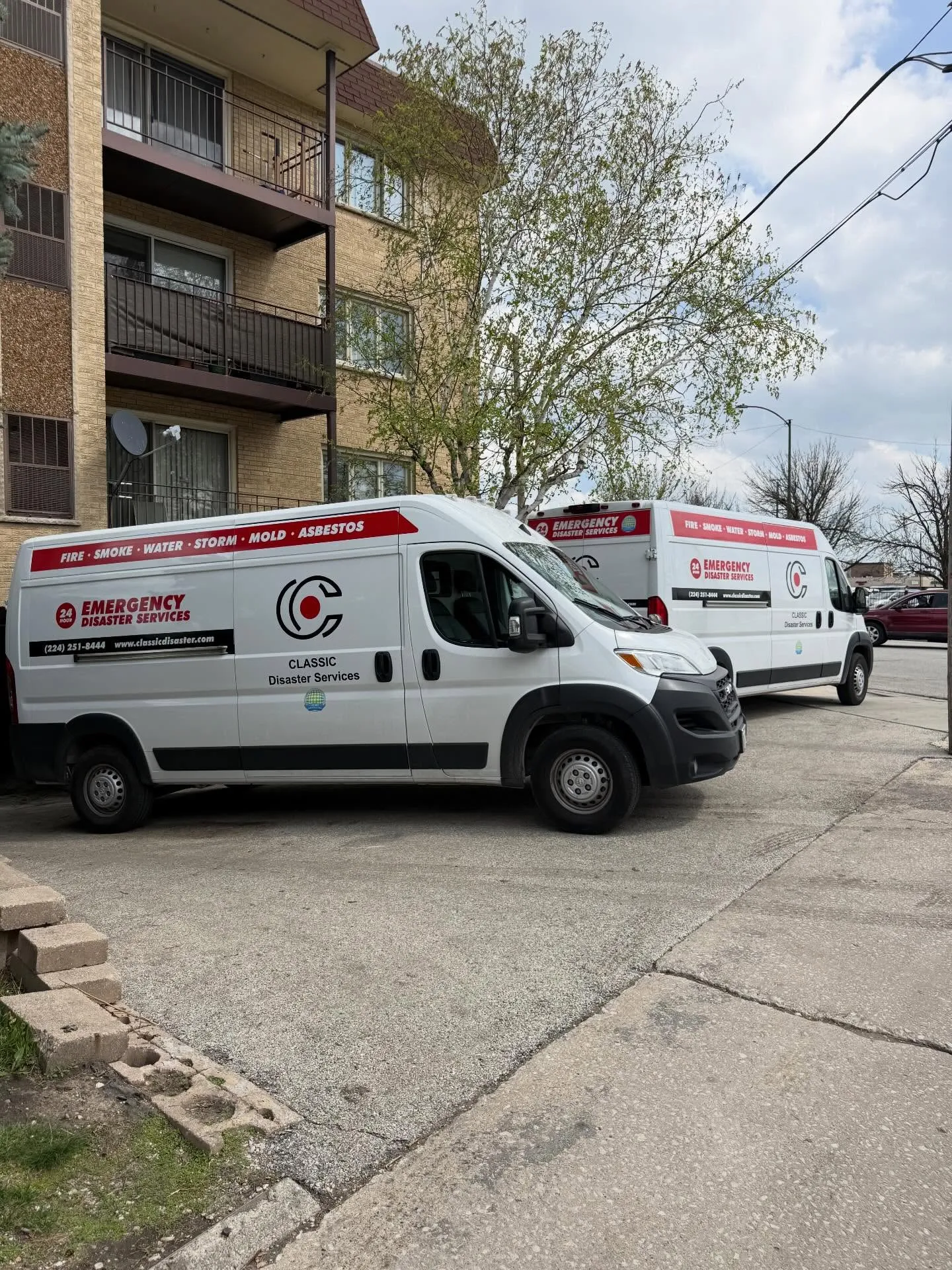
When tornadoes damage homes and businesses across Evanston and the North Shore, Classic Disaster provides immediate 24/7 emergency response and comprehensive restoration services. With over 50 years of experience in disaster recovery, Classic Disaster's trained and certified team handles every aspect of storm damage restoration.
Classic Disaster specializes in:
As a locally based company in Lincolnwood, Classic Disaster understands the unique challenges facing Evanston properties. The team responds quickly to emergencies throughout the North Shore, working directly with all major insurance carriers to streamline the claims process and minimize stress during recovery.
Classic Disaster is pre-approved by major insurance companies and employs claims process experts who navigate insurance procedures efficiently. Their negotiated rates and transparent communication ensure property owners receive fair treatment and quality restoration.
Individuals with functional needs require additional planning
Include pets in your tornado preparedness plan. Keep pet carriers, leashes, food, and water in your emergency kit. Bring pets to your shelter location when warnings are issued.
Tornado preparedness is not a seasonal activity. While spring brings peak tornado risk to Illinois, storms can develop any month of the year. Maintain your emergency kit, review your family plan regularly, and stay informed about weather conditions throughout the year.
Classic Disaster encourages all Evanston residents to take tornado safety seriously. Preparation saves lives, and professional restoration services ensure rapid recovery when disaster strikes.
What is the safest place to be during a tornado in Evanston, IL? The safest location is a basement or storm cellar. If unavailable, go to an interior room without windows on the lowest floor, such as a bathroom or closet. Get under sturdy furniture, cover yourself with blankets, and protect your head and neck. Never stay in a mobile home when a tornado threatens.
How much advance warning do you typically get before a tornado hits? Warning time varies significantly. Modern Doppler radar can detect tornado rotation and provide warnings up to 15 minutes in advance, but some tornadoes develop rapidly with little warning. This is why advance preparation, knowing warning signs, and having multiple alert systems are critical for safety and survival.
What should I do immediately after a tornado passes through my area? Stay in shelter until certain the danger has passed, then check for injuries and provide first aid as needed. Do not enter damaged buildings until declared safe by authorities. Watch for hazards like downed power lines, gas leaks, and structural damage. Contact Classic Disaster at 224-251-8444 for emergency restoration services.
When severe weather threatens Evanston or damages your property, Classic Disaster is available 24/7 at 224-251-8444 or info@classicdisaster.com. Their expert team provides immediate emergency response and complete restoration services to help you recover quickly and safely from tornado damage.
Our service area includes:
Contact our experts now for 24/7 emergency response and insurance claim support.