Torn between a wet-vac and calling a pro? Learn when DIY water extraction works, when it fails, and how to avoid turning a flood into a mold problem.
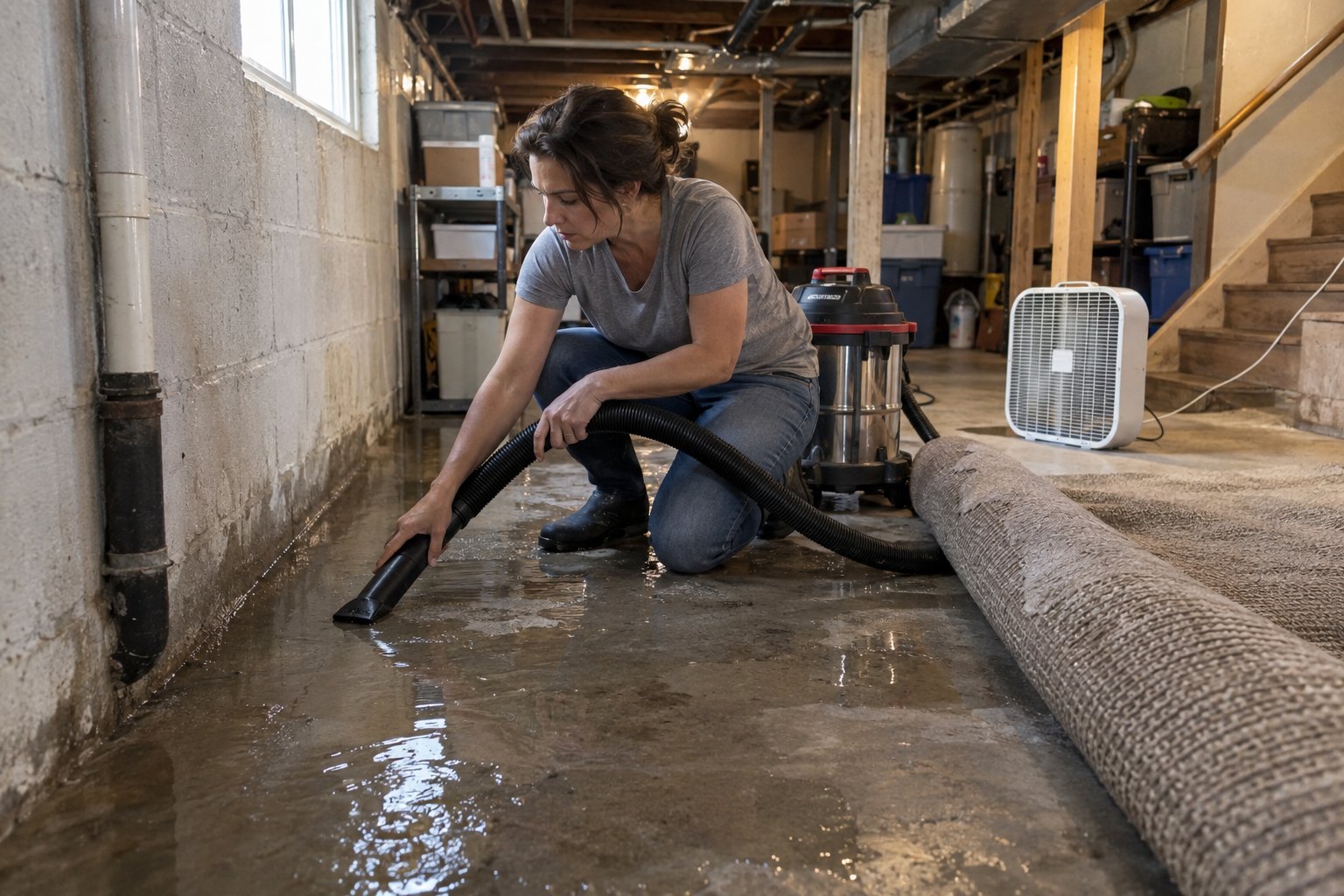
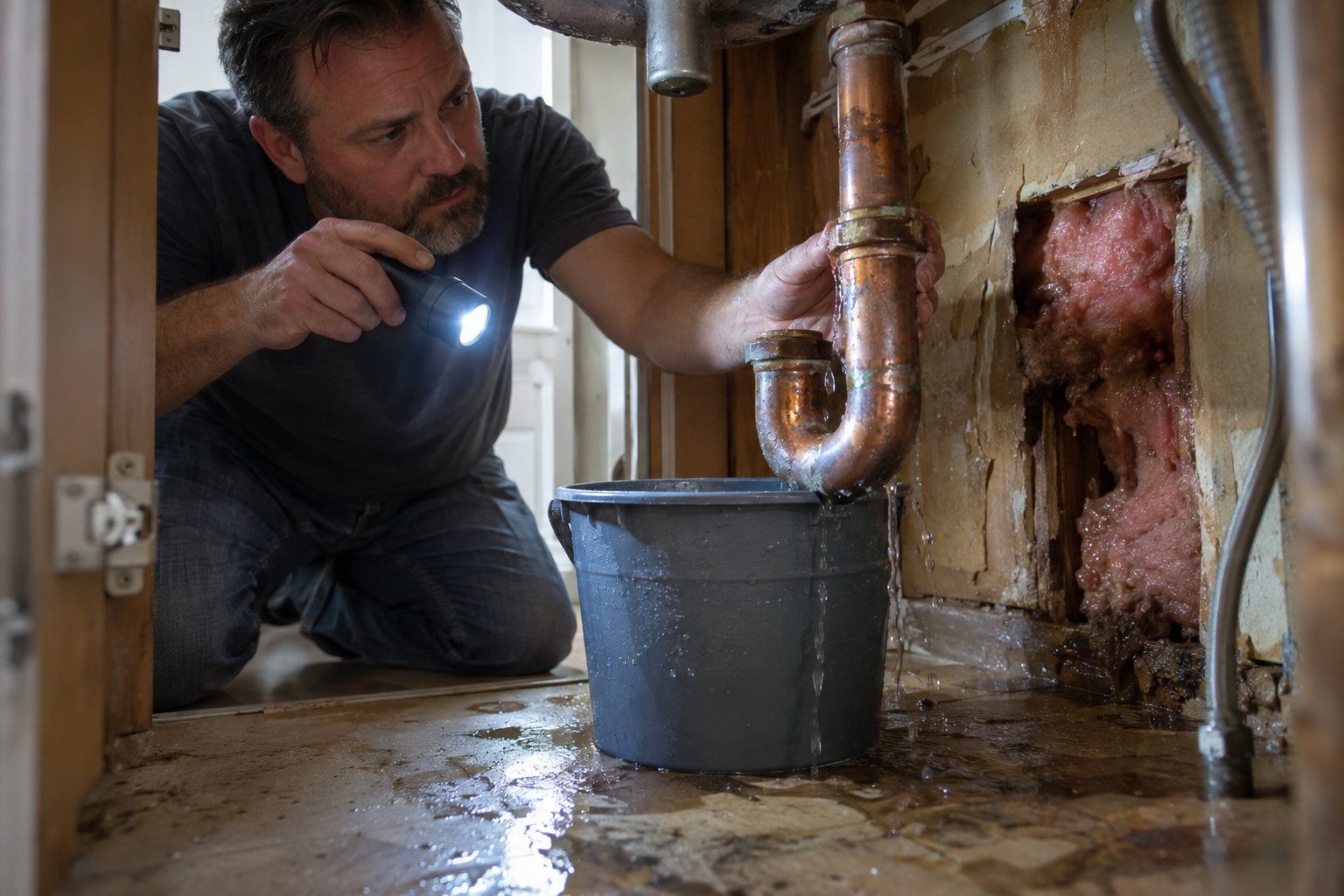
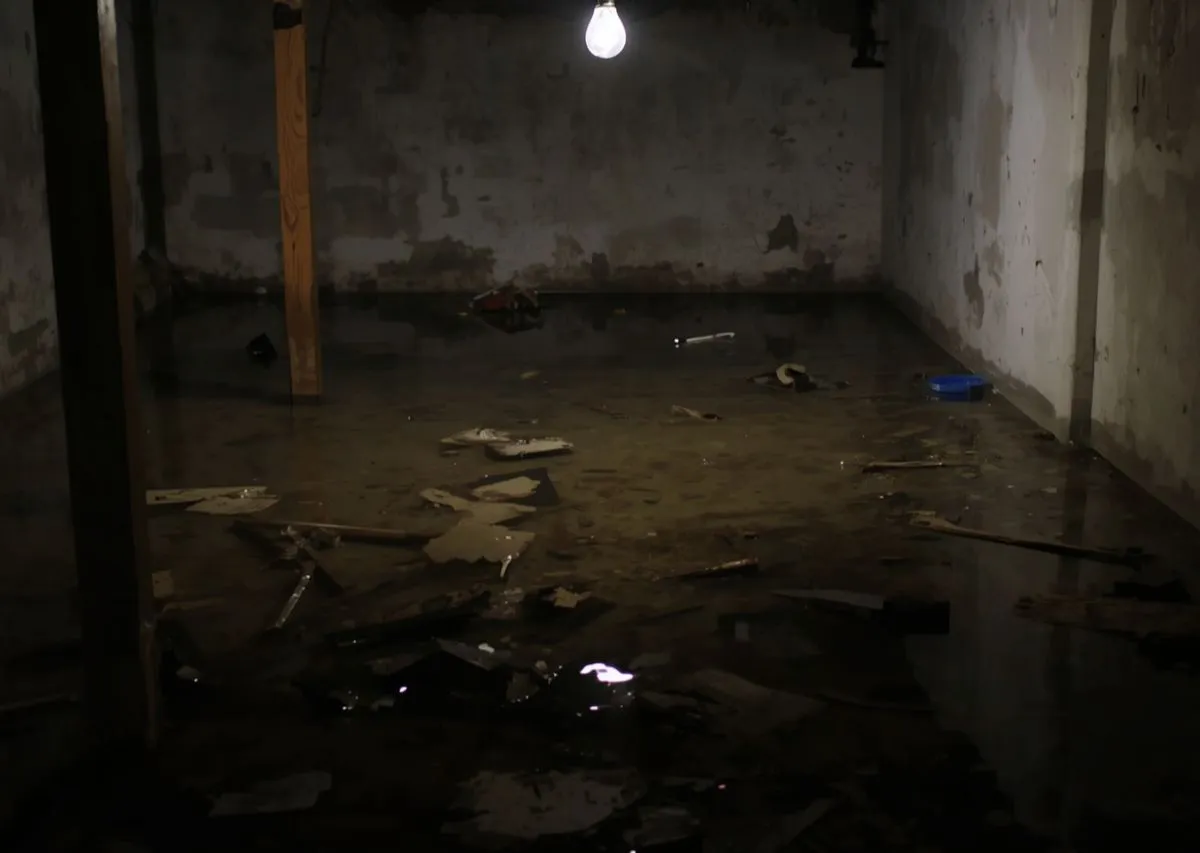
A burst pipe or overflowing appliance can flood a Chicago basement in minutes, but the decision that actually determines how much it costs is what happens in the first hour afterward. Homeowners often lose that window weighing DIY water extraction against calling a restoration company, and that hesitation is usually what turns a manageable cleanup into a mold problem. Knowing where the line sits between a wet-vac job and a situation that needs professional equipment can save thousands of dollars and weeks of disruption.
This guide breaks down when pulling out a shop vac and fans is a reasonable response, and when the volume of water, the materials involved, or the time elapsed mean DIY extraction will not actually dry the structure, only the surface.
DIY extraction can work for small, fresh, clean-water incidents: think a tipped-over fish tank, a minor supply line leak caught within an hour, or an inch of water on a hard-surface floor with no porous materials soaked through. In those narrow cases, a wet-vac, box fans, and a dehumidifier running continuously for several days can dry the area before mold has a chance to establish.
The key variables are volume, source, and time. Less than half an inch of standing water, on tile or sealed concrete, from a clean source (not sewage or groundwater), caught within a few hours, is the scenario where a homeowner's own equipment has a realistic chance of fully drying the space. Anything beyond that starts working against you.
Consumer wet-vacs pull surface water but do not extract moisture that has migrated into drywall, subfloor, insulation, or the gap beneath baseboards. Box fans move air across a surface; they do not pull humidity out of a wall cavity. Within 24 to 48 hours, water that looks "dried" on top can still be saturating material underneath, which is exactly the condition mold needs.
Call a professional water damage remediation service any time the water came from a contaminated source, covered more than a small area, soaked carpet or drywall, or sat for more than a few hours before you found it. These factors mean the moisture has likely traveled beyond what a wet-vac and fans can reach.
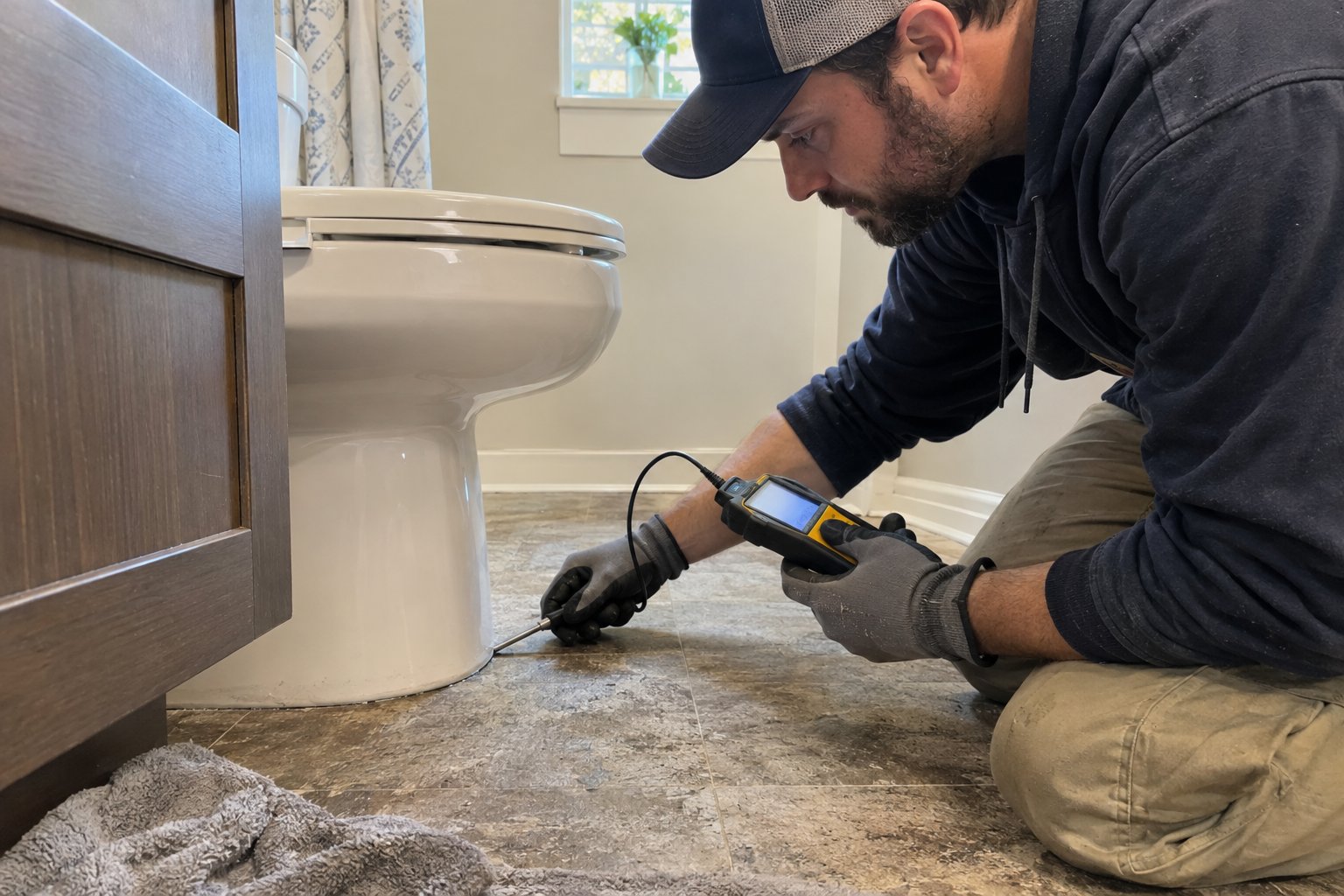
A professional water damage remediation team uses moisture meters, thermal imaging, and industrial extraction and drying equipment to confirm materials are dry all the way through, not just dry to the touch.
Attempting DIY extraction on a situation that needed professional drying does not just delay the inevitable call, it usually makes the eventual job more expensive. Moisture trapped behind walls or under flooring for days gives mold time to establish, which converts a water damage job into a combined water and mold remediation job.
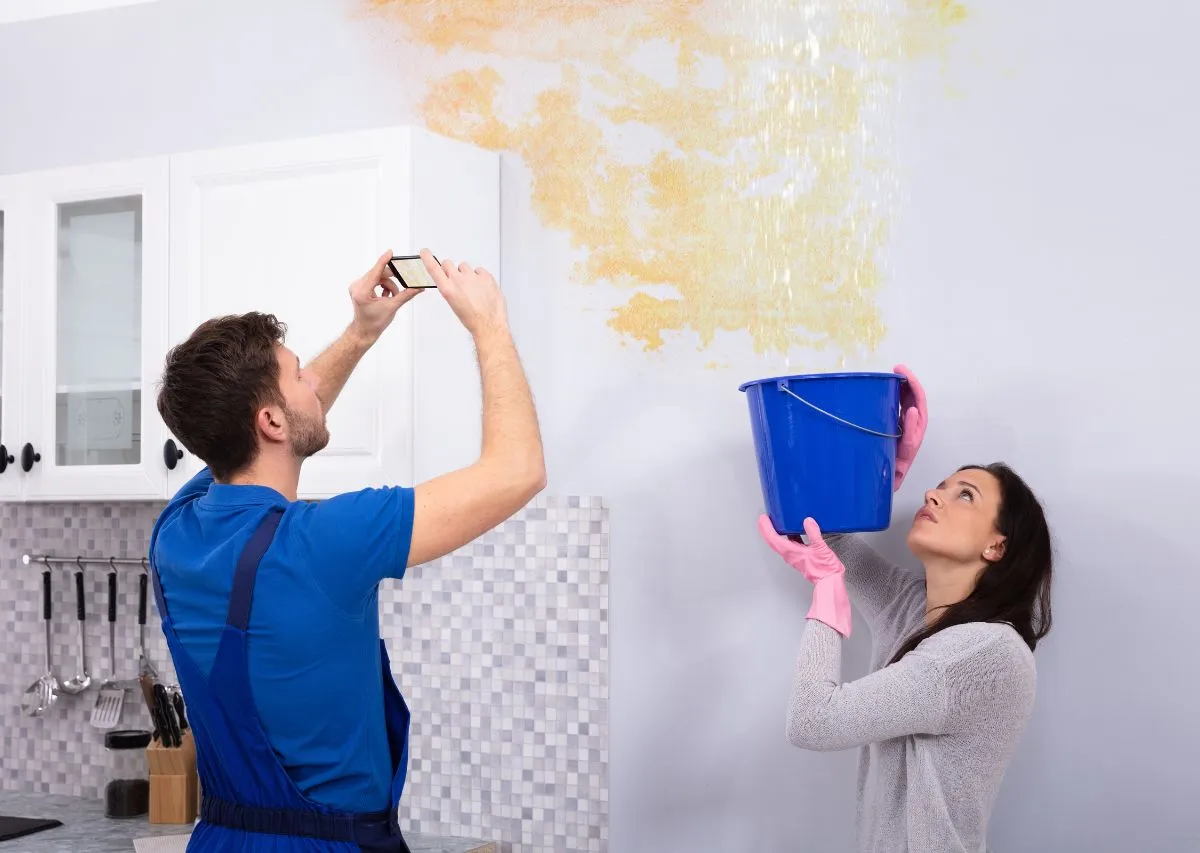
It can also complicate an insurance claim. Many homeowner policies expect "reasonable steps" to mitigate damage, and documentation matters. A delayed or incomplete DIY response, followed by a mold discovery weeks later, can raise questions about when the damage actually occurred and whether it was preventable. Bringing in a restoration and insurance consulting service early creates a documented timeline and assessment that supports the claim rather than complicating it.
Use this short list in the moment, when you are standing in water and need to decide fast rather than research:
If you answered "call a professional" to any of these, treat the DIY route as a stopgap, not a solution. Removing standing water yourself while waiting for a crew can still help limit spread, but it should not replace a proper structural drying assessment.
Professional extraction adds verified moisture readings, commercial-grade drying equipment, and the ability to open walls or lift flooring to dry hidden cavities, none of which a homeowner's equipment is built to do. This is the gap between water that looks gone and water that is actually gone.
Technicians use penetrating and non-penetrating moisture meters to track drying progress across days, not guess based on appearance. Commercial dehumidifiers remove far more moisture from the air per hour than a household unit, and air movers are positioned to create specific drying patterns rather than just blowing air around a room. In cases where water has reached a basement through a broader intrusion, pairing extraction with storm damage mitigation work can address the source alongside the cleanup, especially after heavy Chicago-area rain events.
If you are mid-flood right now, the fastest way to find out which category your situation falls into is to describe it to someone who deals with this daily rather than guess. Start a claim or request an assessment and get a clear answer on whether this is a DIY job or one that needs equipment you do not have in the garage.
A wet-vac and fans can work only for small, clean-water spills on hard flooring that you catch within an hour or two. Once water covers a larger area, soaks carpet or drywall, or sits for longer, surface equipment will not fully dry the structure.
Mold can begin colonizing damp material within roughly 24 to 48 hours. If you did not discover the water right away, assume that clock is already running and professional drying verification is worth considering.
Renting a wet-vac or dehumidifier may seem cheaper upfront, but if it fails to fully dry hidden materials, the resulting mold growth typically costs far more to remediate than a professional extraction would have in the first place.
Coverage depends on the source and your policy, but most insurers expect documented, reasonable mitigation steps. Working with a restoration and insurance consulting service early helps create that documentation regardless of which option you choose.
Professionals use penetrating and non-penetrating moisture meters, thermal imaging cameras, and commercial-grade dehumidifiers and air movers that remove far more moisture per hour than household equipment and can verify when a structure is actually dry.
Our service area includes:
Contact our experts now for 24/7 emergency response and insurance claim support.