Find out when homeowners insurance pays for burst pipe water damage, what adjusters look for, and the steps that protect your claim in Chicago homes.
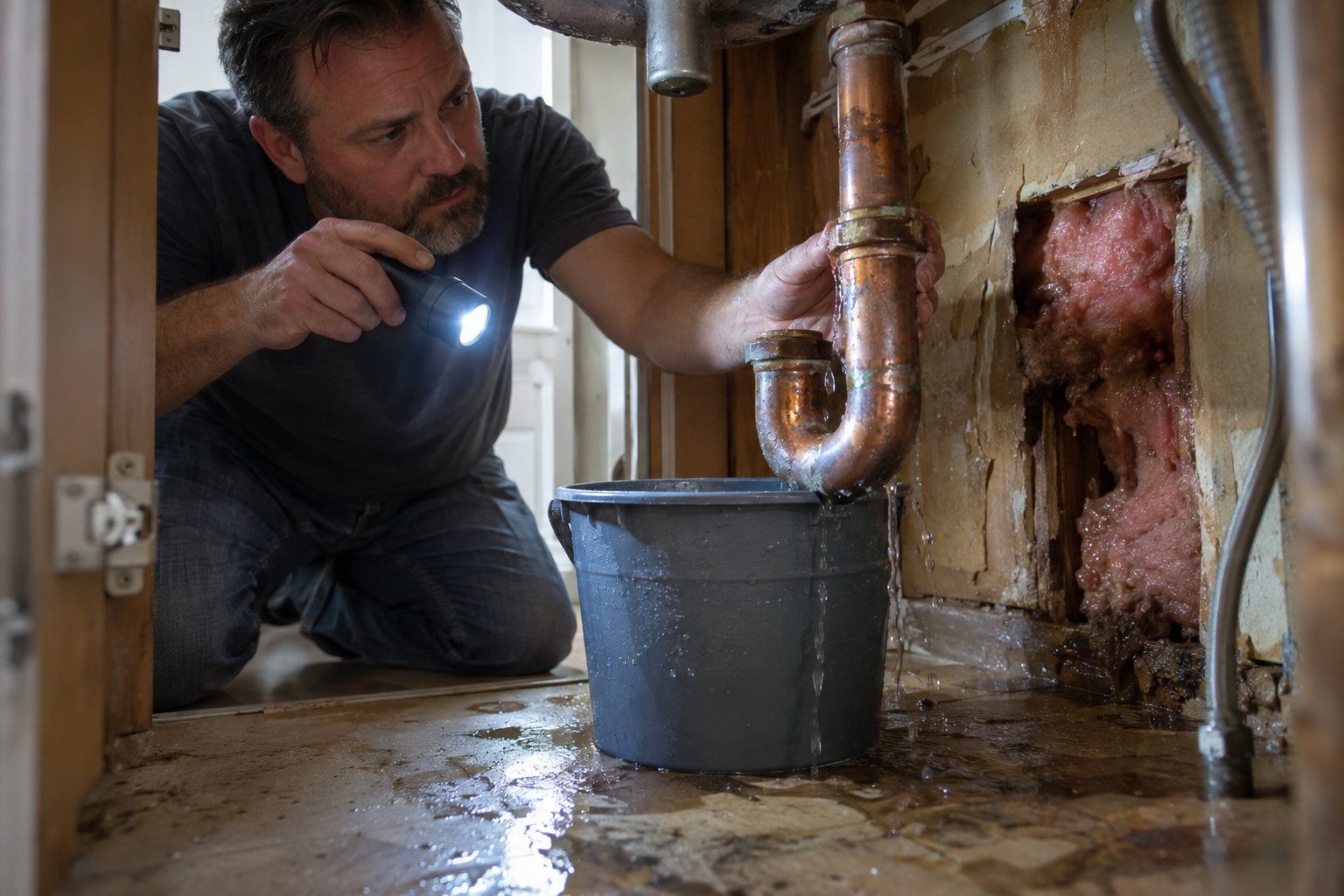
Most standard homeowners policies cover water damage from a burst pipe when the break is sudden and accidental, but they routinely deny the same claim if an adjuster traces the cause back to long-term neglect, like a slow leak nobody repaired or a pipe that froze because the heat was left off during a vacancy. The line between "covered" and "denied" usually comes down to how the pipe failed and how quickly the damage was reported, not just the fact that a pipe burst.
If a pipe has already let go somewhere in your Chicago home, this is the part most people search for after the water is already on the floor: what your policy will likely pay for, what it typically excludes, and what you need to document before an adjuster ever walks through the door.
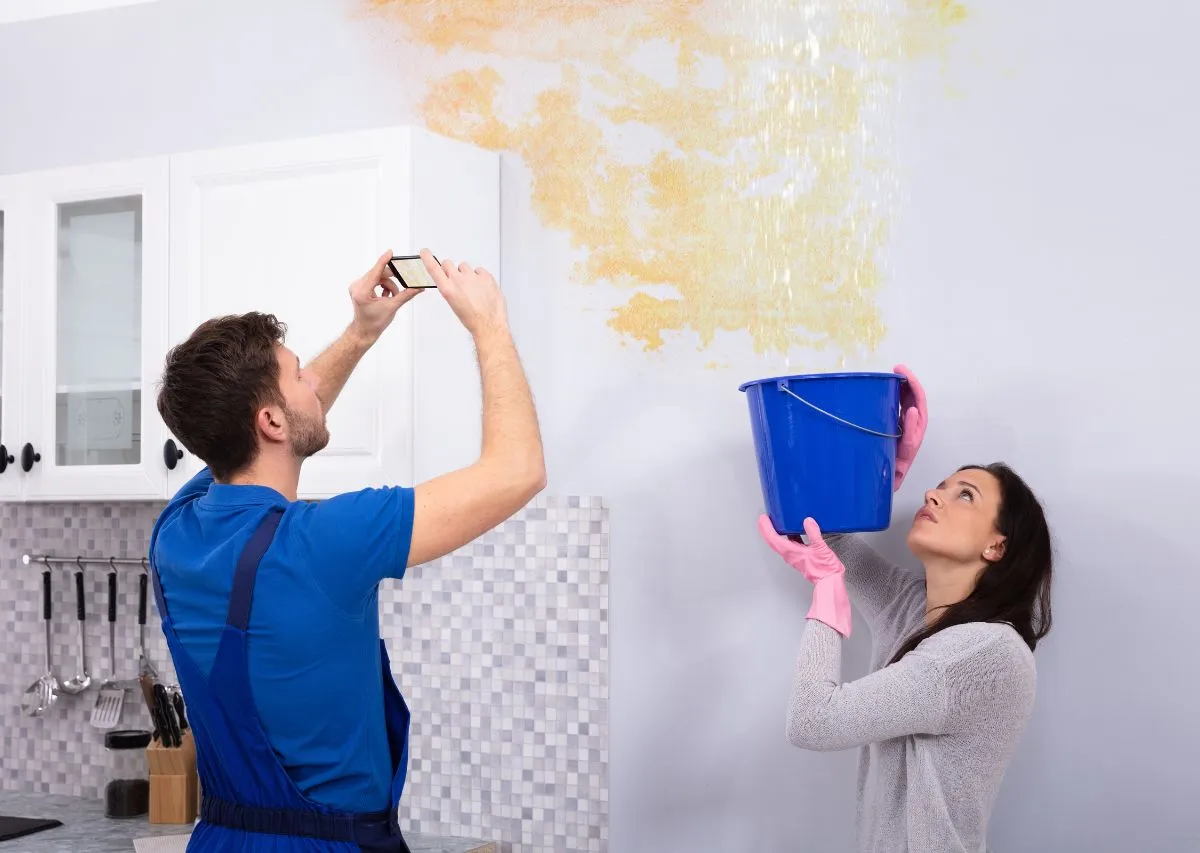
In most cases, yes. Standard homeowners policies classify burst pipes under "sudden and accidental" water discharge, which is one of the perils they're built to cover, alongside events like a washing machine hose failure or a water heater rupture. The insurer pays to repair the resulting damage to your structure and, depending on your policy, your belongings.
The coverage isn't automatic, though. Insurers draw a hard distinction between a pipe that failed suddenly and one that failed because of a problem that existed for weeks or months. That distinction is where most disputes start, and it's worth understanding before you file.
A claim is treated as sudden and accidental when the failure itself was unexpected, even if the underlying cause (like a hard freeze) was foreseeable weather. A claim is excluded when the adjuster finds evidence the homeowner knew about, or reasonably should have known about, a deteriorating condition and didn't address it.
Most policies also include a specific exclusion for damage that occurs because the home was left vacant or unheated past a certain number of consecutive days, which is a common reason claims get denied during winter.
A typical claim covers the cost to repair or replace damaged structural materials, drywall, flooring, cabinetry, and the mitigation work needed to dry the property and prevent mold. It generally does not cover the cost of fixing the pipe itself, since plumbing repair is considered maintenance, not damage.
Depending on your policy's coverage limits and deductible, you can typically expect a claim to address:
What it usually will not cover: the plumbing repair itself, pre-existing damage unrelated to this event, or mold that an insurer determines resulted from a problem you failed to address in a timely way.
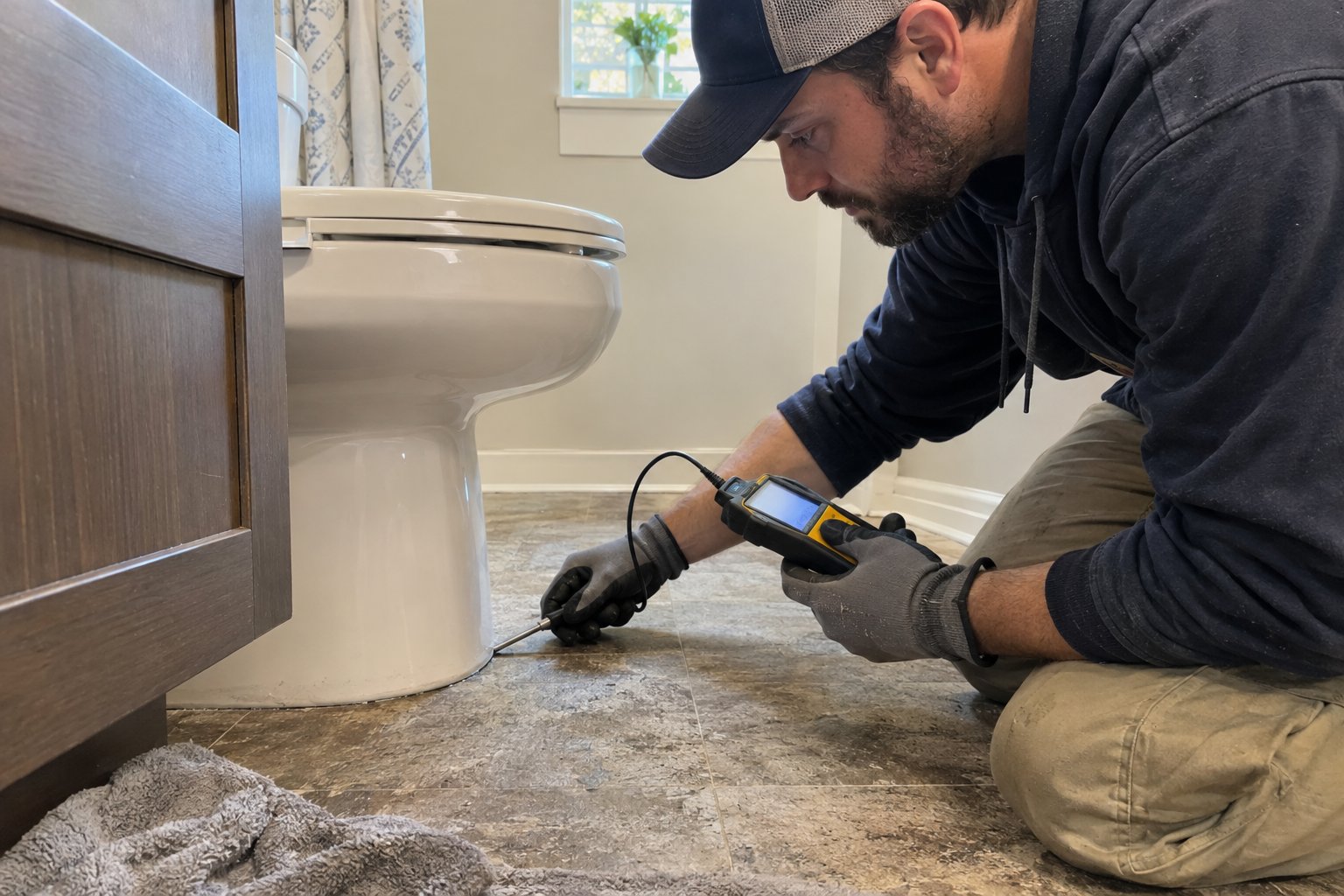
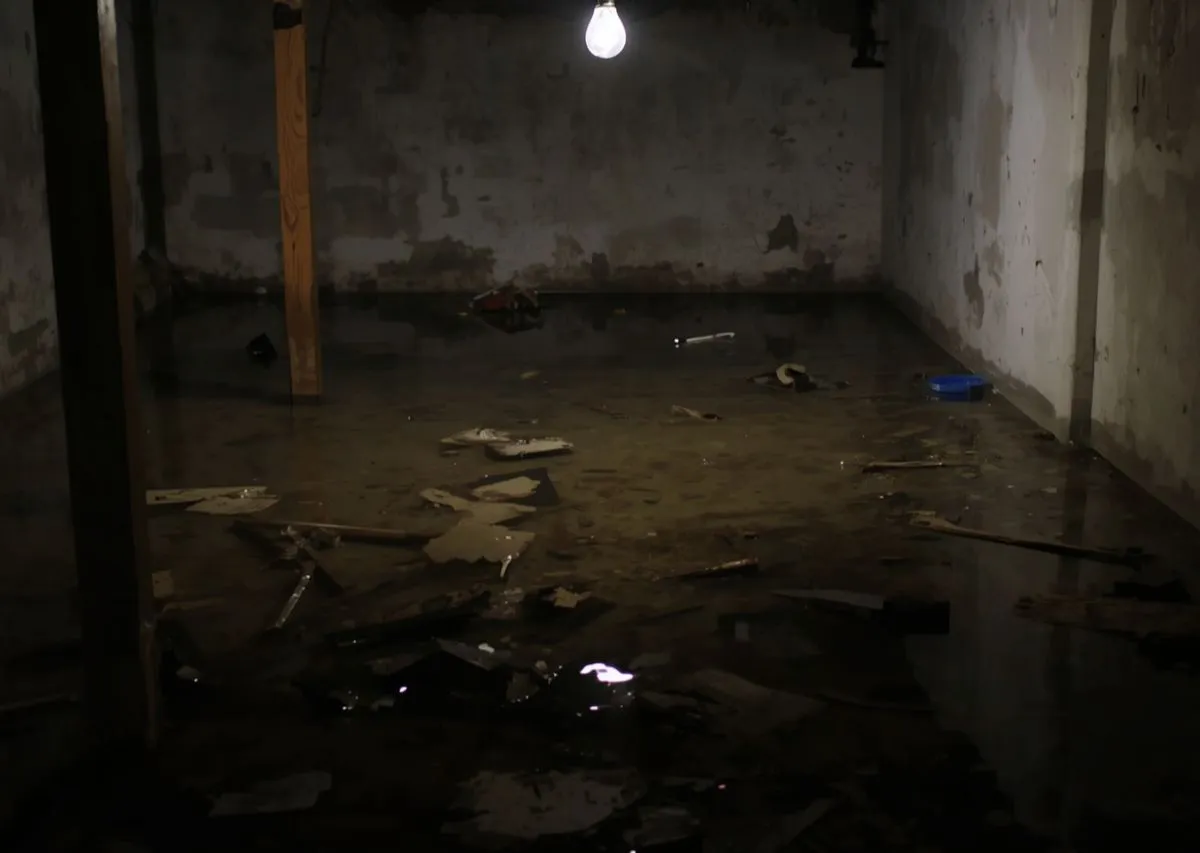
Document the damage before you start cleanup, not after. Photos and video of standing water, affected materials, and the pipe itself (if accessible) are what support your claim when an adjuster reviews it days or weeks later.
A documented pipe burst emergency response, where you can show exactly when you noticed the failure and how fast you acted, carries real weight with an adjuster trying to determine whether the damage was sudden or gradual.
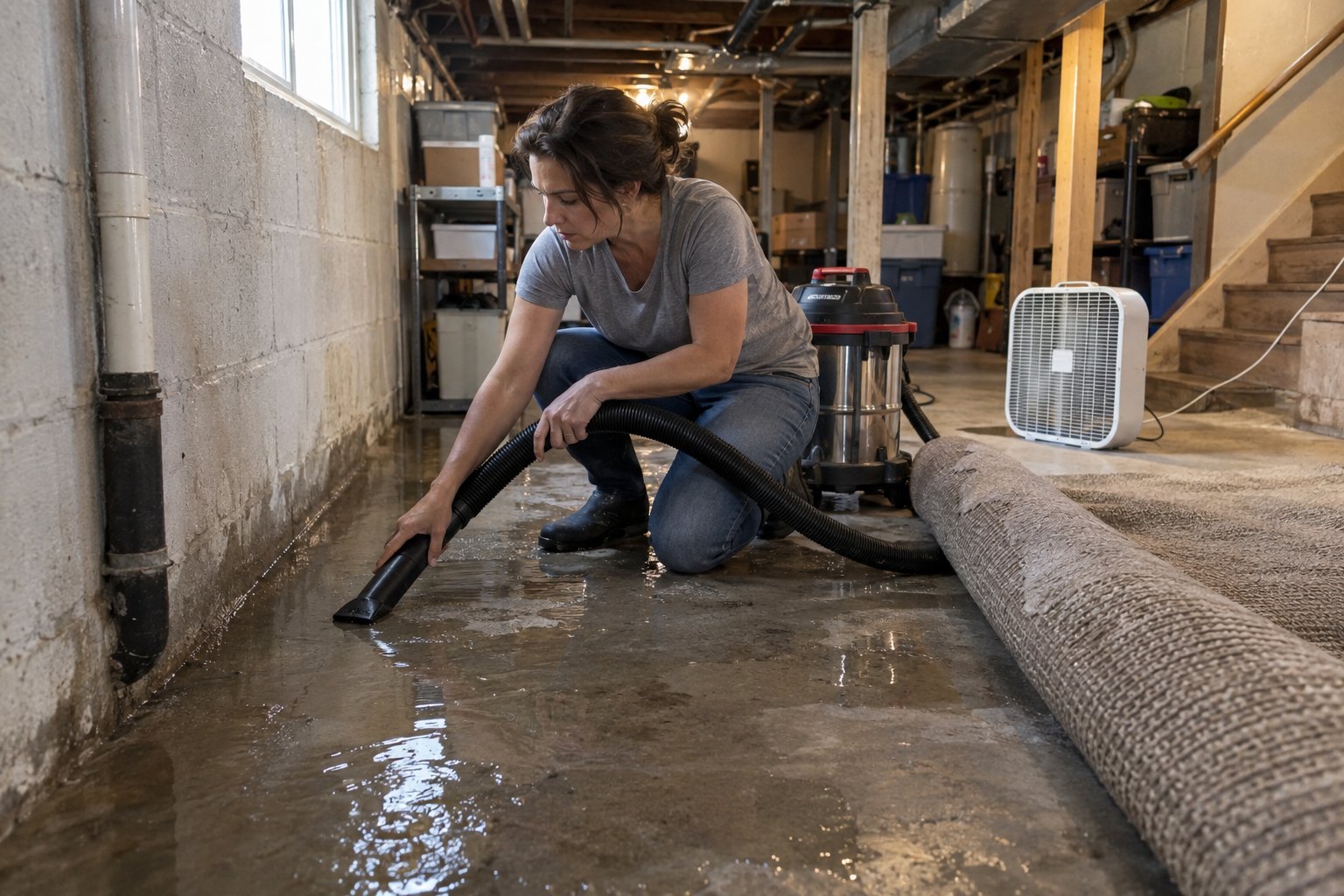
Most policies include a duty to "mitigate further damage," which means the insurer expects you to act quickly to stop water from spreading and causing secondary problems like mold. Waiting days to address standing water can give an adjuster grounds to argue that some of the resulting damage, particularly mold, resulted from neglect rather than the original pipe failure.
This is one reason insurers generally respond better to claims where professional water extraction and drying started within the first 24 to 48 hours. Fast mitigation limits secondary damage, and it also creates a clear record (moisture readings, drying logs, before-and-after documentation) that supports the claim rather than complicating it. A professional assessment using water damage class categories can also help establish exactly how far the water traveled and what materials need to be addressed, which gives the adjuster objective detail to work from instead of guesswork.
Not always. If the damage is minor and well under your deductible, filing may do more harm than good, since multiple water-related claims on a policy can raise premiums or trigger non-renewal in some cases. Weigh the repair cost against the deductible before deciding to file.
If the damage is extensive enough that repair costs clearly exceed the deductible, filing promptly is usually the right call, especially since delayed reporting is one of the more common reasons claims get challenged. When in doubt, get a professional inspection and repair estimate first so you're deciding with real numbers instead of a guess.
Insurance adjusters respond well to documentation that comes from a professional assessment rather than homeowner notes alone. A restoration company can provide moisture readings, drying logs, and a written scope of damage that supports your claim while also handling the structural drying itself.
If you're also unsure how to frame the claim itself, from understanding your policy's language to negotiating a fair settlement, a restoration and insurance consulting service can help interpret the paperwork and communicate directly with your adjuster. Pairing that support with prompt water damage remediation gives you both the cleanup and the documentation an insurer expects to see before approving payment.
If a pipe has burst in your home, the fastest path to a clean claim and a dry structure is getting both started at once. File a claim with Classic Disaster to get the documentation and mitigation moving together.
It's possible. Multiple water damage claims, or even a single large one, can lead to a premium increase at renewal, and some insurers may decline to renew a policy after repeated water claims. This is why many homeowners weigh the repair cost against the deductible before filing for minor damage.
Sudden damage happens unexpectedly, like a fitting that fails without warning. Gradual damage builds over time, such as a slow leak that goes unnoticed for weeks and causes rot or mold. Most policies cover the first and exclude the second.
It isn't always required to open the claim, but having a plumber or restoration company document the cause of failure strengthens your case significantly, especially if the insurer questions whether the damage was sudden or the result of long-term wear.
Policies vary, but most require notice within a reasonable time, often interpreted as a matter of days. Waiting weeks to report a known leak can give the insurer grounds to deny or reduce the claim, so report it as soon as you discover the damage.
Renters insurance typically covers your personal belongings damaged by a burst pipe, but it does not cover the structure itself, which is the landlord's responsibility through their own property insurance. Check your policy's personal property and additional living expense provisions.
Our service area includes:
Contact our experts now for 24/7 emergency response and insurance claim support.